Have you ever stepped on a scale and wondered what that number really means for your health? Maybe you’ve heard the term “BMI” mentioned by your doctor or seen it in fitness articles, but you’re not entirely sure how it’s calculated or what it represents. You’re not alone. Body Mass Index is one of the most widely used health screening tools in the world, yet it’s also one of the most misunderstood.
In this comprehensive guide, you’ll learn everything you need to know about BMI—what it is, how to calculate it, what the numbers mean, and—perhaps most importantly—what it can and cannot tell you about your health. You’ll discover step-by-step instructions for using a BMI calculator, real-life examples, common pitfalls to avoid, and expert insights that put this important health metric into perspective. Whether you’re checking your own numbers or helping a family member understand theirs, this guide will give you the knowledge to interpret BMI with confidence.
Check Your BMI Instantly!
Discover your Body Mass Index with our easy-to-use calculator. Track your ideal weight, BMI category, and more in seconds.
Try the BMI Calculator →What Is BMI and Why Does It Matter?
Body Mass Index (BMI) is a simple calculation that uses your height and weight to estimate body fatness. It was developed in the 1830s by a Belgian mathematician named Adolphe Quetelet, who was looking for a way to describe the “average man” and identify patterns in human growth. Since then, it has become a standard screening tool used by healthcare professionals worldwide.
The reason BMI has stood the test of time is its simplicity. It doesn’t require expensive equipment, special training, or invasive procedures. With just two basic measurements—height and weight—anyone can get a quick estimate of where they fall on the spectrum from underweight to obese. For populations, BMI correlates well with body fat percentage and health risks like heart disease, diabetes, and hypertension.
However—and this is crucial—BMI is a screening tool, not a diagnostic one. It gives you a snapshot that can indicate whether further evaluation might be needed, but it doesn’t tell the full story about an individual’s health. Think of it as the first page of a book, not the entire story.
How BMI Is Calculated: The Simple Formula
Understanding the math behind BMI helps you appreciate how the numbers come together. The formula is straightforward:
Metric Formula: BMI = weight (kg) ÷ height (m²)
Imperial Formula: BMI = (weight (lb) ÷ height (in)²) × 703
Let’s walk through a quick example. Suppose someone weighs 70 kilograms and is 1.75 meters tall. The calculation would be: 70 ÷ (1.75 × 1.75) = 70 ÷ 3.0625 = 22.86. That number falls within the healthy weight range.
For those who prefer not to do the math manually, a BMI calculator does all the work instantly. You simply enter your height and weight, choose your preferred units, and the tool returns your BMI along with the corresponding weight category.
For a quick, accurate, and private calculation, the Spin Numbers BMI Calculator offers a clean interface that works in your browser without storing any personal information. You can switch between metric and imperial units, get instant results, and even learn about healthy weight ranges.
👉 Try the Spin Numbers BMI Calculator here and know your numbers in seconds.
BMI Categories: What the Numbers Mean
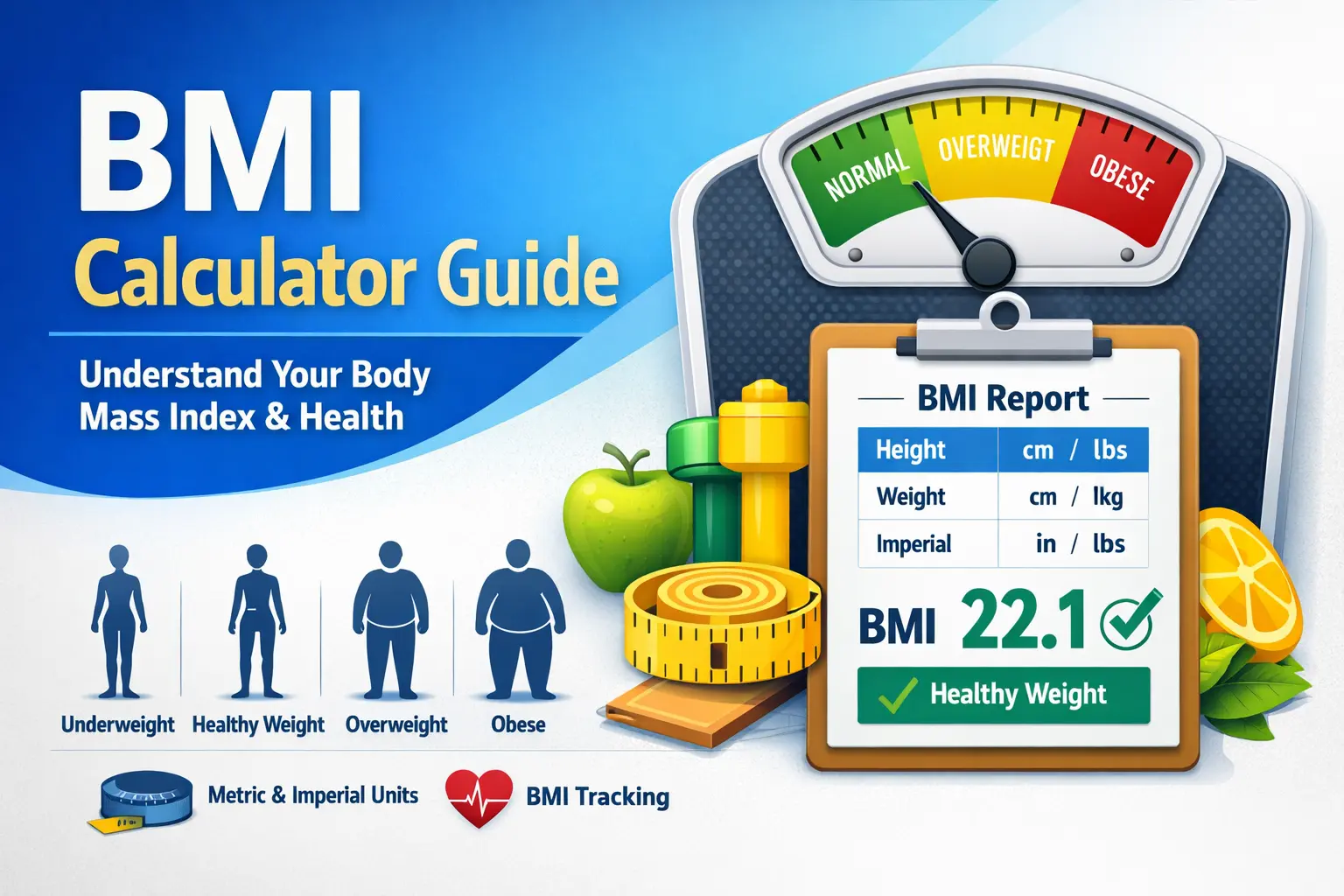
Once you have your BMI number, the next step is understanding where it falls on the standard classification scale. The World Health Organization and most health authorities use the following categories for adults:
- Underweight: BMI less than 18.5
- Healthy weight: BMI 18.5 to 24.9
- Overweight: BMI 25 to 29.9
- Obesity Class I: BMI 30 to 34.9
- Obesity Class II: BMI 35 to 39.9
- Obesity Class III: BMI 40 or higher
These ranges are based on extensive population studies that show increased health risks at the extremes. For example, people with a BMI under 18.5 may be at higher risk for nutritional deficiencies, osteoporosis, and weakened immune function. Those with a BMI over 30 have statistically higher rates of heart disease, type 2 diabetes, certain cancers, and joint problems.
But here’s where nuance comes in. These categories are guidelines, not verdicts. Two people with the exact same BMI can have vastly different health profiles depending on muscle mass, fat distribution, fitness level, and other factors.
Step-by-Step Guide: How to Use a BMI Calculator
Using a BMI calculator is simple, but getting meaningful results requires accuracy in your inputs. Here’s a step-by-step approach.
Step 1: Measure Your Height Accurately
Remove your shoes and stand with your back against a wall. Use a flat object (like a book) to mark the top of your head, then measure from the floor to that point. For the most accurate results, measure to the nearest half-inch or centimeter.
Step 2: Weigh Yourself Consistently
For the most reliable weight measurement, weigh yourself at the same time of day—preferably in the morning after using the bathroom and before eating or drinking. Wear minimal clothing to avoid added weight. Record your weight to the nearest pound or kilogram.
Step 3: Enter Your Information into the BMI Calculator
Select your preferred unit system (metric or imperial). Enter your height and weight. Some calculators also ask for age and gender, though BMI itself doesn’t use these factors—they may be included to provide additional context or to calculate other metrics like BMI percentile for children.
Step 4: Review Your Results
The calculator will display your BMI number and the corresponding weight category. Take note of both. If you fall outside the healthy weight range, remember that this is one data point, not a complete health assessment.
Step 5: Consider Next Steps
Based on your results, you might decide to:
- Maintain your current healthy habits
- Speak with a healthcare provider about what your BMI means for your personal health
- Use the information as motivation to adopt healthier eating or exercise patterns
- Explore additional health metrics like waist circumference, body fat percentage, or fitness levels
Real-Life Examples: BMI in Context
To truly understand BMI, it helps to see how it plays out in real life. Let’s look at three different individuals and what their BMI numbers mean in context.
Example 1: The Athlete with a High BMI
Marcus is a 28-year-old competitive rugby player. He stands 6 feet tall and weighs 220 pounds. His BMI is 29.8, which falls into the “overweight” category. However, Marcus has a very low body fat percentage and high muscle mass. His doctor isn’t concerned about his BMI because his blood pressure, cholesterol, and fitness levels are excellent. This illustrates one of BMI’s biggest limitations: it doesn’t distinguish between muscle and fat.
Example 2: The Individual in the Healthy Range
Elena is 45 years old, 5’4″ tall, and weighs 130 pounds. Her BMI is 22.3, solidly in the healthy range. She exercises regularly and eats a balanced diet. For Elena, her BMI aligns well with her overall health profile. She uses it as one of several markers to confirm she’s on the right track.
Example 3: The Person with a “Normal” BMI but Health Concerns
David is 55 years old, 5’10”, and weighs 165 pounds. His BMI is 23.7, which is healthy. However, he carries most of his weight around his midsection, has high blood pressure, and has been diagnosed with prediabetes. His story shows that a normal BMI doesn’t guarantee metabolic health. Waist circumference and other factors matter too.
Common Mistakes When Using BMI
Even a simple tool like a BMI calculator can be misused or misunderstood. Here are the most common mistakes people make.
Mistake 1: Treating BMI as a Diagnostic Tool
BMI is a screening tool, not a diagnostic one. A high BMI doesn’t automatically mean you’re unhealthy, and a normal BMI doesn’t guarantee you’re healthy. Using it as the sole measure of health can lead to unnecessary worry or false reassurance.
Mistake 2: Ignoring Individual Factors
BMI doesn’t account for age, gender, muscle mass, bone density, or fat distribution. An older adult may have a healthy BMI but low muscle mass. A young athlete may have an “overweight” BMI but be in peak condition. Context matters.
Mistake 3: Using Inaccurate Measurements
Small errors in height or weight can shift your BMI category. Always measure carefully, and use a reliable scale and measuring tool. Wearing heavy clothing or measuring at different times of day can also skew results.
Mistake 4: Obsessing Over the Number
Health is multidimensional. Focusing too narrowly on BMI can distract from other important factors like mental health, strength, flexibility, nutrition quality, and sleep. Your BMI is one piece of a much larger puzzle.
Best Practices for Using BMI Effectively
When used thoughtfully, BMI can be a valuable part of your health awareness toolkit. Here are best practices to follow.
Use BMI as a Starting Point, Not a Final Answer
Think of your BMI as a conversation starter with your healthcare provider. If your BMI falls outside the healthy range, use it as an opportunity to ask questions: “What does this number mean for me? Are there other tests I should consider?”
Combine BMI with Other Measurements
For a fuller picture of health, consider tracking additional metrics:
- Waist circumference: Excess abdominal fat is a risk factor independent of BMI
- Body fat percentage: More accurately reflects body composition
- Blood pressure, cholesterol, and blood sugar: Key metabolic health indicators
- Fitness level: Cardiovascular endurance and strength matter immensely
Recalculate After Significant Changes
If you lose or gain a substantial amount of weight, or if your body composition changes significantly (like through strength training), recalculate your BMI. Your numbers may shift, and the context of your health may evolve.
Consult a Professional for Guidance
If you’re concerned about your BMI or overall health, speak with a registered dietitian, doctor, or other qualified healthcare professional. They can provide personalized assessments that go far beyond what a calculator can offer.
BMI for Special Populations: Children, Older Adults, and Athletes
BMI interpretation isn’t one-size-fits-all. Certain populations require different approaches.
Children and Teens (Ages 2–19)
For young people, BMI is calculated the same way but interpreted differently. Instead of fixed categories, pediatric BMI uses percentiles based on age and gender. A child is considered:
- Underweight: Below the 5th percentile
- Healthy weight: 5th to 84th percentile
- Overweight: 85th to 94th percentile
- Obesity: 95th percentile or above
Because children are still growing, BMI percentiles account for natural changes in body composition during development. If you’re concerned about your child’s weight, a pediatrician is the best resource.
Older Adults (Over 65)
For older adults, some research suggests that a slightly higher BMI (up to 27 or 28) may be associated with better health outcomes. This is because body composition changes with age—muscle mass naturally decreases, and some additional fat may provide protective reserves during illness. Always discuss BMI with a healthcare provider who understands geriatric health.
Athletes and Highly Muscular Individuals
As the earlier example showed, athletes often have higher BMIs due to muscle density. In these cases, body composition measurements (like skinfold calipers or bioelectrical impedance) provide more accurate information than BMI alone.
Security and Privacy: Using Online BMI Calculators
When using an online BMI calculator, privacy and security are simple but important considerations.
No Personal Data Required
A trustworthy BMI calculator should not ask for your name, email address, or other identifying information. The Spin Numbers BMI Calculator, for example, performs all calculations locally in your browser—no data is transmitted or stored. You can use it anonymously without any privacy concerns.
Use HTTPS-Protected Websites
If you’re using any online health tool, check for the padlock icon in your browser’s address bar. This indicates that the site uses HTTPS encryption, which protects any information you enter.
Be Cautious with Apps That Collect Data
Some mobile apps that include BMI calculators also collect extensive personal data. Before downloading, review the app’s privacy policy and permissions. A simple BMI calculator should not need access to your contacts, location, or camera.
Limitations of BMI: What It Doesn’t Tell You
To use BMI responsibly, it’s essential to understand what it cannot measure. These limitations are why BMI should never be used in isolation.
BMI Doesn’t Measure Body Composition
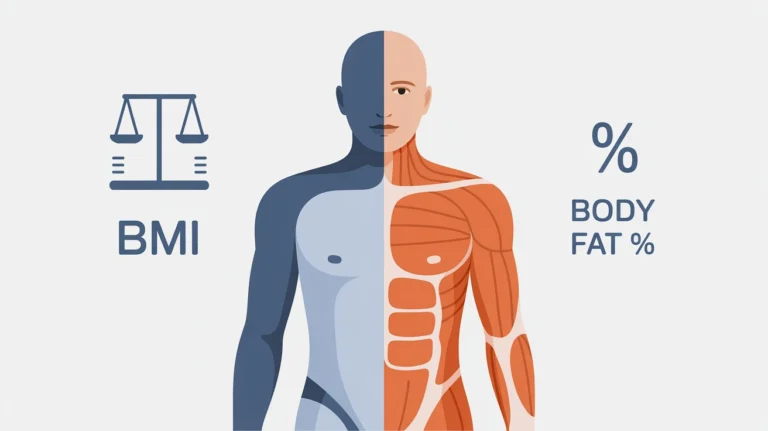
BMI can’t tell the difference between muscle, bone, fat, or water. Two people with the same BMI can have completely different body compositions. This is particularly relevant for athletes, older adults, and people with certain medical conditions.
BMI Doesn’t Account for Fat Distribution
Where fat is stored matters. Visceral fat (around the organs) is more metabolically harmful than subcutaneous fat (under the skin). Two people with the same BMI can have very different health risks based on where they carry their weight.
BMI Doesn’t Reflect Lifestyle Factors
Your diet quality, physical activity, stress levels, sleep habits, and mental health are all crucial to overall well-being. None of these are captured by a BMI number.
BMI May Not Be Accurate for Certain Ethnic Groups
Research suggests that health risks associated with BMI thresholds may vary by ethnicity. For example, people of Asian descent may have higher health risks at lower BMI levels. Some organizations recommend lower BMI cutoffs for certain populations.
Beyond BMI: Other Health Metrics to Consider
For a complete picture of your health, consider incorporating these additional measurements alongside BMI.
Waist-to-Hip Ratio
This simple measurement—waist circumference divided by hip circumference—can indicate fat distribution. A higher ratio suggests more abdominal fat, which is linked to increased cardiovascular risk.
Body Fat Percentage
Methods like skinfold calipers, bioelectrical impedance scales, or DEXA scans can estimate your actual body fat percentage. Healthy ranges vary by age and gender but typically fall between 10–20% for men and 18–28% for women.
Resting Heart Rate and Blood Pressure
These are quick, non-invasive indicators of cardiovascular health. Regular monitoring can reveal trends that BMI alone would miss.
Fitness Assessments
How far can you walk in 6 minutes? How many push-ups can you do? Functional fitness tests provide meaningful insights into your physical capacity.
FAQs About BMI and BMI Calculators
1. Is BMI accurate for everyone?
No. BMI is a general screening tool, but it has limitations. It may not be accurate for athletes, older adults, pregnant women, or individuals with certain body types. It also doesn’t account for muscle mass, bone density, or fat distribution. For these reasons, BMI should be considered alongside other health metrics.
2. Can I calculate BMI without a calculator?
Yes, you can use the formula manually. For metric: weight (kg) ÷ height (m)². For imperial: [weight (lb) ÷ height (in)²] × 703. However, using a BMI calculator is faster and reduces the chance of math errors.
3. What’s a healthy BMI for my age?
For adults over 20, the healthy BMI range is 18.5 to 24.9 regardless of age. For children and teens, BMI is evaluated using percentiles that account for age and gender. For older adults, some research suggests a slightly higher range (up to 27) may be associated with better outcomes.
4. Why do BMI categories differ for Asian populations?
Studies show that people of Asian descent may have higher health risks at lower BMI levels compared to other populations. As a result, some health organizations recommend lower BMI cutoffs (such as 23 for overweight and 27.5 for obesity) for Asian individuals. If you’re uncertain, discuss this with your healthcare provider.
5. Can I have a high BMI and still be healthy?
Yes. A high BMI alone doesn’t mean you’re unhealthy. Athletes with high muscle mass often have elevated BMIs despite excellent metabolic health. Other factors like blood pressure, cholesterol, blood sugar, and fitness level provide important context. The key is looking at the whole picture, not just one number.
6. Is BMI useful during pregnancy?
Standard BMI calculations are not designed for pregnancy. Weight gain during pregnancy is expected and necessary for fetal development. If you’re pregnant or planning to become pregnant, your healthcare provider can offer guidance on appropriate weight gain ranges based on your pre-pregnancy BMI and other factors.
7. How often should I check my BMI?
For most adults, checking BMI once every few months or when you have a health checkup is sufficient. If you’re actively working on weight management, you might track it more frequently. Avoid checking daily, as natural fluctuations can cause unnecessary stress.
8. Are online BMI calculators safe and private?
Most reputable BMI calculators are safe and respect your privacy. The Spin Numbers BMI Calculator, like many simple tools, processes all data in your browser and does not store or share your information. Always look for HTTPS websites and avoid calculators that ask for unnecessary personal details like your name or email address.
Conclusion: BMI as One Piece of Your Health Story
Understanding your BMI is a valuable step toward taking charge of your health, but it’s just that—a step. The number you get from a BMI calculator is a starting point, not a final verdict. It can alert you to potential risks and help you have more informed conversations with healthcare professionals. But it cannot capture the full richness of your health story: the meals that nourish you, the activities that bring you joy, the sleep that restores you, and the habits that sustain you over time.
Whether your BMI falls into the underweight, healthy, overweight, or obesity category, remember that health is a journey, not a destination. Small, consistent changes in nutrition, physical activity, and self-care often matter more than any single measurement. Use your BMI as a tool for awareness and motivation, but never let it define your worth or dictate how you feel about yourself.
If you’re ready to check your numbers, the Spin Numbers BMI Calculator is here to help—quickly, privately, and without any hassle. After you get your result, take a moment to reflect on what it means in the context of your broader health. And if you have questions or concerns, don’t hesitate to reach out to a healthcare provider who can offer personalized guidance.
Your health is multidimensional, and you’re the one writing your story. Let BMI be one of the tools that helps you write it well.