By Spin Numbers · Last Update June 2026 · 11 minute read
Calling on students at random is one of the simplest ways to keep a classroom fair, alert, and engaged — but only if it is done well. This guide explains how random name selection in the classroom actually works, why it improves participation and equity, and how to use it without putting students on the spot. Whether you draw names from a jar or spin a digital wheel, the principle is the same: give every student an equal, visible chance to take part. If you just want to try it now, you can jump straight to our free name picker below, then come back to learn how to get the most out of it.
Want to try it right now? Use our free wheel to pick a student fairly in seconds.Open the Name Picker wheel →
Table of Contents
How a Random Name Generator Wheel Works
Names are placed on segments of a virtual wheel. When you click spin, a pseudo-random number generator determines the outcome before the animation begins. The wheel rotates and decelerates to land on the selected name. Each name carries equal probability of selection regardless of its position on the wheel, the order it was entered, or how many times it has been passed over in previous spins.
Most digital name wheel tools follow a straightforward process. You add names to the list, set how many to draw, and spin. Selected names appear on screen immediately as the animation completes.
The better tools process everything locally in the browser with no account required and no names stored or transmitted to external servers. The moment you close or refresh the browser tab, the current list is cleared from memory. Student roster data never leaves your device.
For group formation, remove selected names after each spin and repeat until all groups are filled. For recurring use such as daily student selection during lessons, keep the full list and spin as needed throughout the session. The configuration choice depends on whether your goal is exhaustive coverage across one activity or ongoing random selection across many.
Why a Random Name Generator Wheel Works Better Than Hand-Raising
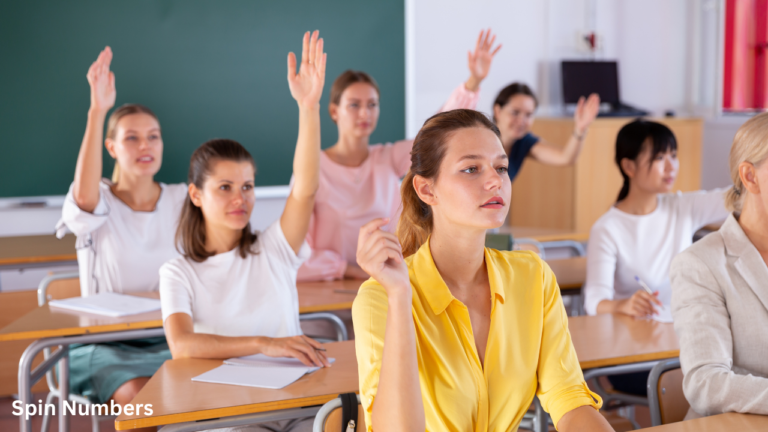
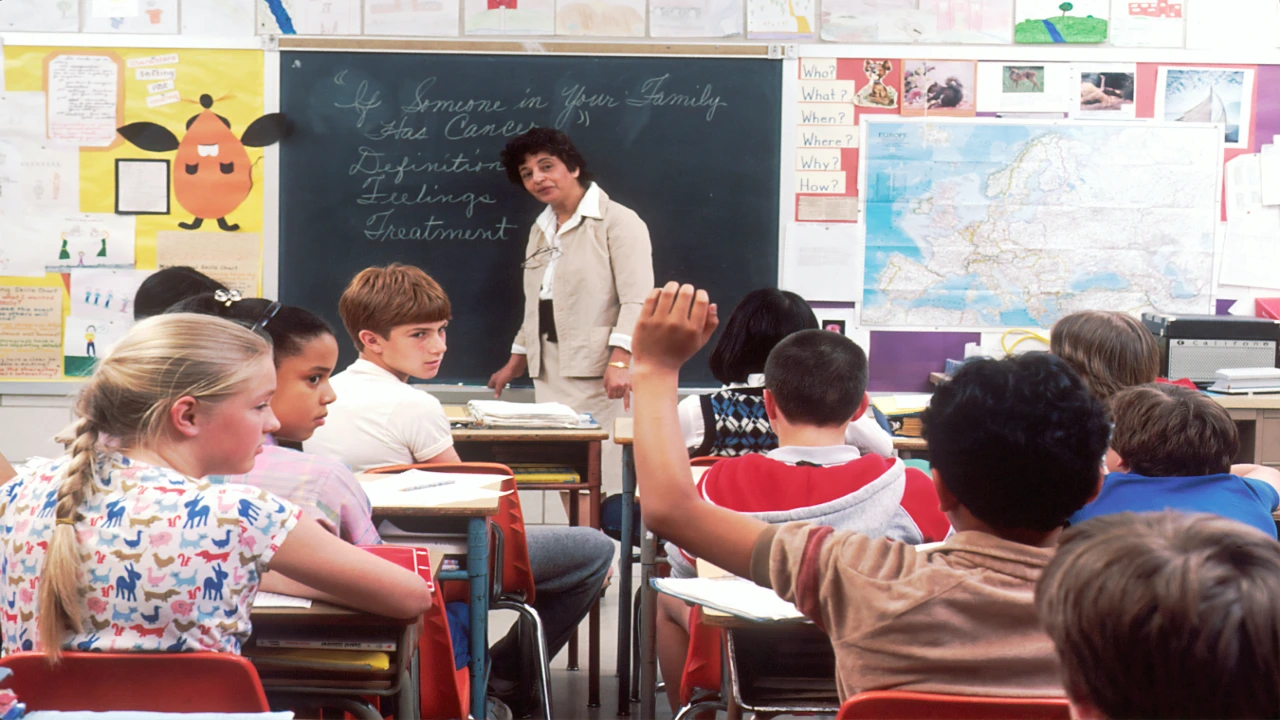
The research on classroom participation patterns is consistent across decades of study. In typical hand-raising environments, a small subset of students, often five to eight in a class of thirty, account for the majority of voluntary responses. The rest develop a passive relationship with classroom discussion over time. They learn that waiting is a viable strategy, and they stop preparing to answer.
Cold calling, which means selecting students without the hand-raising cue, is one of the most effective interventions for this pattern. Research by Doug Lemov, documented in “Teach Like a Champion,” identifies it as a core practice among highly effective teachers. The mechanism is accountability: when students know they can be called at any moment regardless of whether they raise their hand, they maintain engagement with the material throughout the lesson rather than waiting to see if a volunteer will answer for them.
A random name generator wheel makes cold calling feel fair rather than targeted. The visible spinning, the gradual deceleration, and the name appearing on screen signals to students that selection is genuinely impartial. No student can attribute their selection to the teacher choosing them specifically. The wheel chose them. This removes the social discomfort that teacher-directed cold calling can produce, particularly for students who already feel less confident in the subject.
Research on procedural justice, documented by Lind and Tyler (1988), supports this effect. People accept outcomes more readily when they can see that the process that produced the outcome was impartial. A spin they watched happen is more accepted than a name announced by a teacher, even when both selections were equally unbiased.
For a broader look at how this affects classroom equity over time, our article on why student participation matters and how to encourage it fairly covers the research on participation gaps and the strategies that address them most effectively.
Classroom Applications Where a Random Name Generator Wheel Adds Real Value
Question and answer during lessons

This is the most common application and the one with the most consistent research support. Instead of waiting for raised hands, spin the wheel after asking a question. The selected student answers. The class stays attentive because anyone could be next.
For questions that require more thought, spin before asking. This gives the selected student time to think while you pose the question to the full class, which reduces anxiety and improves the quality of the response. Mary Budd Rowe’s research on wait time found that extending the pause between question and selection to three seconds or more significantly improved both the quality and complexity of student answers. Combining wait time with a visible random selection produces the strongest participation outcome.
Group formation for projects
Random group formation prevents the clustering that happens when students self-select. Friends stay together, academically stronger students cluster, and students who are less socially integrated end up working with whoever is left over. A random name generator wheel distributes students across groups without social friction or visible teacher judgment.
Spin for each group in sequence, removing selected names between spins. For a class of 28 forming seven groups of four, the process takes under three minutes and produces a result that every student watched happen. No student can claim the groups were arranged to favor anyone.
For a complete guide to the research on random versus self-selected grouping and how to handle edge cases, our article on random vs self selected groups in the classroom covers the evidence and the practical trade-offs in detail.
Classroom job rotation
Weekly classroom jobs are often assigned through informal processes that reproduce the same participation inequities as hand-raising. A weekly spin assigns jobs visibly and fairly. Students who want specific roles have the same probability as everyone else, which eliminates the negotiation that typically surrounds job assignment and removes any perception that the teacher is choosing favorites.
Presentation and topic assignment
When students need to be assigned presentation slots or research topics, a wheel spin makes the assignment feel like chance rather than teacher judgment. This is particularly useful when some slots or topics are perceived as more desirable. A visible random assignment removes any accusation of favoritism before it can form.

Reward and recognition draws
For point-based reward systems where students earn entries through behavior or academic performance, a random name generator wheel draw at the end of a week or month gives the reward process a moment of shared anticipation. Displaying the spin on a classroom screen turns a routine draw into a brief communal event that reinforces the value of earning entries and gives every participating student a reason to watch.
How to Get the Most Out of a Random Name Generator Wheel
Keep the wheel visible to the class at all times during selection. The social value of the tool comes from its transparency. If only the teacher sees the result, the process loses the shared-anticipation element that makes it more engaging than simply announcing a name. Display the wheel on a projector or classroom screen for every spin.
Set up your name list before the lesson starts. Entering twenty-five names while students wait disrupts lesson flow and signals that the process is an afterthought. Set up the list once at the beginning of the term and return to it each time you need it. Teachers with multiple class periods maintain separate lists for each class, which takes five minutes to configure at the start of the year and requires no setup for the rest of the term.
Remove selected names immediately when forming groups. The most common error with group formation using a random name generator wheel is forgetting to remove a name after it is drawn, which results in the same student appearing in multiple groups. Remove each selected name from the list immediately after it is drawn, before the next spin begins.
Decide in advance what happens when an absent student is selected. Communicate this rule to the class before using the wheel for the first time. Options include spinning again immediately, holding the absent student’s turn for when they return, or moving to the next selection and returning to them later. Consistency in applying the rule matters more than which option you choose. Inconsistency is what creates the perception of favoritism in an otherwise fair system.
Use it strategically rather than for every classroom interaction. The engagement value of a spinning wheel comes partly from its novelty and partly from the anticipation it creates. If every single classroom interaction is mediated by the wheel, it becomes routine background noise. Reserve it for moments where visible randomness adds something meaningful: participation selection, group formation, and draws. Use other methods for quick informal interactions where speed matters more than transparency.
Respond to all selected students in the same way. The wheel’s effectiveness depends on the classroom culture around it. If correct answers receive praise and incorrect answers receive visible disappointment, students will learn that being selected carries social risk regardless of how random the process is. Treat every answer as a contribution to the discussion, whether it is complete, partial, or incorrect. This is the single most important factor in whether students experience the wheel as fair or threatening.
Remote and Hybrid Classroom Use
A random name generator wheel translates directly to remote learning with one adjustment: screen share the browser tab showing the wheel so students on the video call can see the spin happen in real time. The shared visual experience maintains the same anticipation and accountability dynamic that makes it effective in person.
For hybrid classrooms where some students are present and some are remote, display the wheel on the classroom screen and ensure the screen is visible in the camera frame so remote students see it simultaneously with in-person students. Both groups experience the selection at the same moment, which maintains the fairness perception for all participants regardless of location.
For fully remote classes, using a random name generator wheel alongside a visible class roster that participants can see in the video call adds an additional layer of transparency. Students can see their name is in the pool, watch the spin, and verify the result matches what appears on their screen.
Practical Setup Guide
Step 1: Open your name wheel tool in a browser tab before the lesson starts. Wheelofnames.com and the random number generator at Spin Numbers are free, require no account, and work on any device.
Step 2: Enter all student names. For numbered rosters, entering numbers instead of names is faster and allows you to match results to a seating chart. Either approach works. Choose based on what your classroom already uses.
Step 3: Decide whether to remove names after selection or keep the full pool. For group formation, remove. For ongoing participation selection across a lesson, keep.
Step 4: Display the wheel on a projector or shared screen before the first spin. Confirm it is visible to every student, including those at the back of the room.
Step 5: Introduce the system to the class before the first use. One sentence is enough: “I use this wheel to select who answers so that everyone has an equal chance.” Most students accept this framing immediately, particularly once they have watched it select several peers in succession.
Frequently Asked Questions
Is the selection truly random?
Yes. The outcome is generated by a pseudo-random number generator before the animation begins. Every name in the list carries exactly equal probability of selection. Factors such as where the name appears on the wheel, how long you hold the button, or which names were selected previously have no effect on the result.
Can I draw multiple names at once?
Yes. Most random name generator wheel tools allow you to configure how many names to draw before spinning. The tool draws the specified number of unique names in sequence without repeating any within the same session. This is useful for group formation, assigning multiple roles simultaneously, or running a draw with several winners.
How many names can I add?
Most tools handle several hundred names without performance issues, which covers any classroom or event size. The wheel automatically adjusts segment sizes so that larger rosters remain legible during the animation.
Are student names stored anywhere?
No. The tool processes everything locally in your browser. No names are transmitted to external servers. When you close or refresh the browser tab, the current list is cleared from memory. Student data does not leave your device.
What if a student objects to being selected?
The visible randomness of the process is the most effective response to objections. Because the student watched the wheel land on their name, the selection cannot be attributed to teacher targeting. Most objections to cold calling disappear within two to three weeks of consistent random selection, once students understand that the process is genuinely impartial and that answers are received without judgment regardless of correctness.
Can I use it on a tablet or phone?
Yes. Most modern name wheel tools are fully responsive and support touch inputs. They scale automatically to any screen size. Test the tool on your specific device before using it in a live lesson to confirm the spin button and display work correctly on your setup.
Comparison: Random Name Generator Wheel vs. Other Selection Methods
| Method | Equity | Transparency | Student accountability | Evidence base |
|---|---|---|---|---|
| Hand-raising | Low, favors confident students | Low | Low, opt-out available | Documented concentration in small group |
| Teacher-directed cold calling | Variable, subject to unconscious bias | Low | High | Good and Brophy: bias well documented |
| Round-robin fixed order | Medium, predictable coverage | Medium | Medium | Limited; predictability reduces alertness |
| Random name generator wheel | High, equal probability | High, visible spin | High, anyone can be called | Lemov, Rowe, Lind and Tyler: strongly supported |
Conclusion
A random name generator wheel is one of the most effective and straightforward tools for improving classroom participation equity. It makes cold calling feel fair, keeps all students accountable to the material throughout the lesson, and adds a visible shared moment to selections that would otherwise be invisible decisions made by the teacher.
The tool works because it addresses two separate problems simultaneously. It removes the unconscious bias that teacher-directed selection introduces, and it removes the social targeting feeling that makes traditional cold calling feel punitive to students who are less confident. The visible spin handles both in one motion.
What matters beyond the tool itself is consistency and classroom culture. A random name generator wheel used occasionally produces occasional results. Used consistently, with the same supportive response to every answer regardless of correctness, it produces a classroom where participation is expected, equitable, and over time genuinely normal.
For guidance on building the full participation system around this tool, including wait time strategies, response protocols, and tracking equity across a term, our article on equal chance random selection: give every student a real opportunity to participate covers the complete framework in detail.
Try it in your classroom
Ready to put this into practice? Our free Name Picker spins a wheel so every student sees the draw is fair. You can also split the class into groups with Make Random Teams.Name Picker →Make Random Teams →
References
Lemov, D. (2021). Teach like a champion 3.0. Jossey-Bass.
Lind, E. A., & Tyler, T. R. (1988). The social psychology of procedural justice. Plenum Press.
Rowe, M. B. (1974). Wait time and rewards as instructional variables, their influence on language, logic, and fate control. Journal of Research in Science Teaching, 11(2), 81-94.
https://doi.org/10.1002/tea.3660110202
Good, T. L., & Brophy, J. E. (2003). Looking in classrooms (9th ed.). Allyn & Bacon.
Sadker, M., & Sadker, D. (1994). Failing at fairness: How America’s schools cheat girls. Touchstone.